
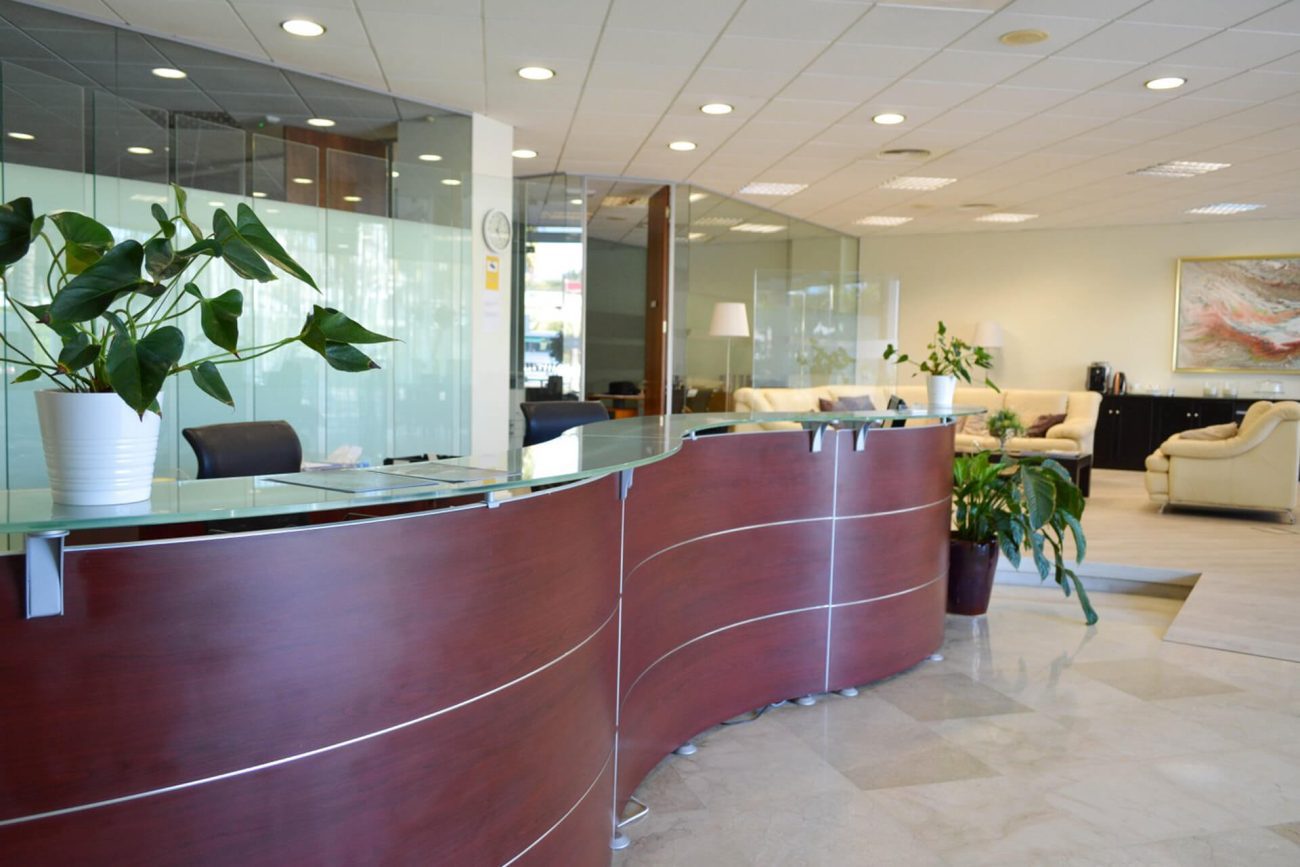
Regain your independence after a neurological condition
Neurorehabilitation helps people with diseases or injuries of the nervous system to regain or maintain their independence in everyday life. At NeuroProtect, occupational therapy works hand in hand with neurology, speech therapy and psychology, so that every patient has a coordinated plan tailored to their situation.
What is occupational therapy?
Occupational therapy focuses on the activities that give meaning to daily life: getting dressed, washing, eating, cooking, moving around the home, working or enjoying leisure time. Its aim is for each person to carry them out as independently and safely as possible, whether by recovering abilities, learning new ways of doing things or adapting their surroundings.
Who can it help?
- People who have had a stroke or a brain injury
- Parkinson’s disease and other movement disorders
- Alzheimer’s disease and cognitive decline
- Multiple sclerosis and ALS (motor neurone disease)
- Neuromuscular diseases, fibromyalgia and chronic pain
- Older people who are starting to lose independence
- Children who need support with psychomotor skills or sensory integration
What we do at NeuroProtect
- Assessment of independence in activities of daily living.
- Individual plan with specific, measurable goals.
- Activity training such as washing, dressing, eating or household tasks.
- Arm and hand rehabilitation and coordination work.
- Assistive products and advice on adapting the home and preventing falls.
- Guidance for family members and carers.
Book your appointment now
Neurorehabilitation in Parkinson's disease
In Parkinson’s disease, rehabilitation is part of treatment from the very beginning. We work on mobility, handwriting, hand dexterity, transfers (standing up, sitting down, turning over in bed) and strategies for freezing when walking, and we also review the home to reduce the risk of falls.
Sessions are coordinated with the neurology clinic, so the plan can be adjusted to each stage of the disease and to the response to medication.
A coordinated team
- Neurology for diagnosis and medical treatment
- Speech therapy for speech, voice and swallowing problems
- Psychology for cognitive assessment and emotional support
The whole team works in the same clinic and shares each patient’s goals.
Assistive products and home adaptations
Small changes at home can make a big difference: grab rails in the bathroom, a shower chair, adapted cutlery or better lighting. We assess which assistive products each person needs and teach them how to use them, to improve safety and reduce the effort required from carers.
Occupational therapy for children
With children we work on psychomotor skills, coordination, sensory integration and the skills needed for play, school and personal independence, in coordination with paediatrics and speech therapy when needed.
When to start
The sooner, the better. After a stroke or a setback, the first weeks and months are key to recovery. In progressive conditions, starting early helps maintain independence for longer.
How can patients benefit?
More independence
Lower risk of falls
Better use of the arm and hand
Simpler daily routines
Support for the family
Better quality of life
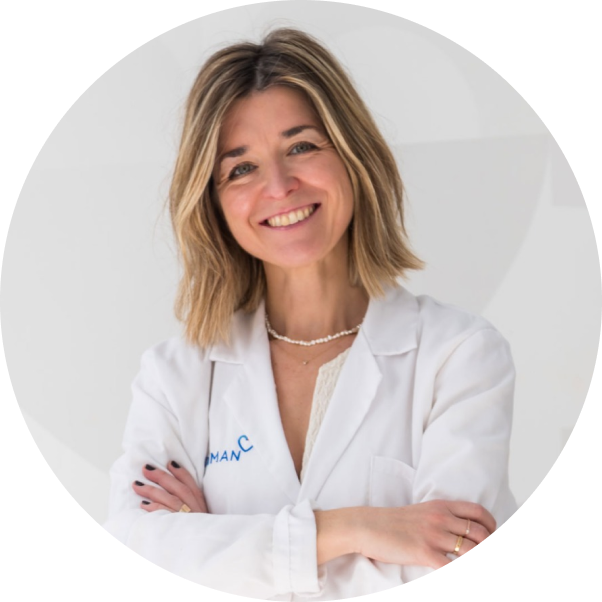
What to expect at your first visit
- A conversation with the patient and family about everyday difficulties.
- Functional, motor and cognitive assessment.
- Review of previous medical reports.
- Setting realistic goals.
- A session plan and home exercises from the very first appointment.
Frequently asked questions
Physiotherapy focuses on movement, strength and pain. Occupational therapy focuses on enabling the person to carry out their daily activities as independently as possible. The two complement each other.
It depends on each case. At the first assessment we set the goals and estimate the number of sessions, which is reviewed as you progress.
No. You can book directly. If needed, we coordinate the assessment with neurology.
Yes, and we recommend it: that way they can learn how to help at home.
Book your occupational therapy and neurorehabilitation assessment in Estepona.